










Your partner suggests a quiet dinner at home, just the two of you. No phones, no TV, just conversation. Part of you feels relief. Finally, the connection you've been craving. Then your chest tightens. You start mentally planning your escape route, finding reasons to cut the evening short, or picking small fights to create distance. Sound familiar?
That push-pull around quality time is actually your attachment system doing what it was designed to do. It’s trying to keep you safe based on what you learned about connection in childhood.
Table of Contents
- What Is Quality Time as a Love Language?
- Why Your Attachment Style Shapes Your Quality Time Needs
- How Each Attachment Style Experiences Quality Time
- The Quality Time Paradox for Fearful Avoidants
- When Quality Time Triggers Your Wounds
- Bridging Different Quality Time Needs in Relationships
- Earning Secure Quality Time
- Quality Time Can Heal
What Is Quality Time as a Love Language?
Dr. Gary Chapman identified quality time as one of the five love languages, the ways we naturally give and receive love. The quality time love language definition centers on presence: for people whose primary love language is quality time, nothing communicates "I love you" quite like undivided attention. Not gifts, not compliments, not physical affection. Presence.
It’s important to know that your need for (or discomfort with) undivided attention isn't random. It's not a personality trait you were born with. When I was a Fearful Avoidant, I desperately wanted my partner's full attention AND felt suffocated the moment I had it. That wasn't contradictory. That was my attachment system trying to keep me safe based on what I learned as a child about whether connection was dangerous.
What people call "quality time" is actually your nervous system's preferred method of regulating around connection. Some nervous systems need constant proximity to feel safe. Others experience proximity as a threat. And some, like mine used to be, need both at the same time, which creates the hot-and-cold pattern so many people struggle with.
Quality time typically shows up as:
- Undivided attention without distractions (phones down, TV off, actually listening)
- Eye contact during conversations instead of looking past someone
- Shared experiences that create emotional connection (cooking dinner together, morning coffee rituals)
- Being fully present mentally and emotionally, not physically there while mentally elsewhere
It turns out that the way your nervous system responds varies dramatically depending on which of the four attachment styles you have.
| Discover Your Love Language |
|---|
| Understanding your love language is the first step toward transformation. Take our free Love Language Quiz to identify your love language and receive personalized insights for your journey. |
Why Your Attachment Style Shapes Your Quality Time Needs
Your attachment style is based on survival strategies. As a child, you figured out what you needed to do to stay safe and get your needs met. If your caregivers were consistently available, you learned connection was safe. If they were unpredictable, inconsistent, or threatening, you learned connection required hypervigilance or distance.
Those patterns are still running in your nervous system today. When someone offers you quality time—undivided attention, presence, emotional availability—your nervous system doesn't receive it neutrally. It scans for threats based on what happened last time you were this close to someone.
Through my own healing journey, I've noticed that people often assume quality time is universally desired. But for many people, sustained undivided attention triggers their deepest core wounds, the beliefs formed in childhood about whether they're safe, worthy, or going to be betrayed.
The desire for quality time reflects your attachment wounds. So does the fear of it.
How Each Attachment Style Experiences Quality Time
Quality Time as Nervous System Regulation
If you're Anxiously Attached, quality time isn't optional, because it's how your nervous system knows you're safe. Your core wounds, including "I will be abandoned," "I am not good enough," and "I will be alone forever,” create a hyperactivated attachment system that needs constant reassurance through proximity and attention.
When your partner gives you undivided attention, such as really looking at you during dinner, asking follow-up questions, putting work aside to listen, your nervous system can finally exhale. The anxious scanning for signs of abandonment quiets. You feel seen, valued, and secure. This is why lack of quality time hits you so hard. You aren’t "needy." Your nervous system learned in childhood that inconsistent caregiving meant danger, so now distance equals threat.
You might notice you:
- Feel most connected after deep conversations with eye contact and no distractions
- Get anxious when your partner scrolls their phone during your time together
- Interpret canceled plans as rejection, even when there's a legitimate reason
- Need frequent check-ins throughout the day to feel secure
- Struggle to regulate alone, and that you need co-regulation through connection
The wound doesn’t show up as the desire for quality time. The wound is actually the belief that you have to earn it by being "good enough," or it will be taken away without warning.
When Quality Time Feels Like Engulfment
If you're Dismissively Avoidant, requests for quality time can trigger your core wounds around engulfment and losing yourself. "I am trapped," "I am defective" (when showing emotional needs), or "I am weak if I'm vulnerable" are core wounds that make sustained undivided attention feel invasive rather than loving.
You learned in childhood that your emotional self wasn't welcome or safe. Maybe your caregivers were intrusive or controlling. Maybe they were emotionally unavailable, so you learned to meet your own needs. Either way, you developed an attachment system that equates autonomy with safety and emotional engagement with danger.
When someone wants quality time, examples like date nights or deep conversations, your nervous system reads it as a demand that will compromise your independence. You might:
- Feel suffocated by requests for "meaningful conversation" or "just talking"
- Prefer parallel activities, working side by side, watching something together, over face-to-face interaction
- Find reasons to cancel plans or deflect emotional check-ins
- Feel most comfortable controlling the depth and duration of connection
- Wonder why your partner "needs" so much time together when you're already in the same house
This doesn't mean you don't care. Closeness triggers your protective patterns. What looks like indifference is actually a nervous system protecting itself from what it learned was dangerous: emotional vulnerability and losing autonomy in connection.
Secure Attachment: Quality Time Without Hypervigilance
People with Secure Attachment enjoy quality time without the nervous system activation that insecure styles experience. They can be fully present without scanning for abandonment or fearing engulfment. Quality time is pleasurable, not threatening.
This is what becomes possible when you heal your attachment wounds. You can desire undivided attention without making it mean you're "not enough." You can give quality time without feeling your autonomy is under threat. Connection becomes safe.
The Quality Time Paradox for Fearful Avoidants
Many Fearful Avoidants, see quality time as torture. They crave it desperately. They might need that feeling of being fully seen and valued. And the moment they have it, their chest might tighten, and find reasons to create distance, without understanding why.
This is the Fearful Avoidant paradox. Your core wounds, including "I will be betrayed," "I am unsafe," "I am unworthy," and "I am trapped/helpless,” create opposing needs. You need quality time to soothe the "I will be abandoned" wound (the anxious side). And quality time activates the "I am unsafe" and "I will be betrayed" wounds (the avoidant side) because closeness meant danger in childhood.
For Fearful Avoidants, caregivers were both the source of comfort AND the source of threat. You learned that the people who love you can hurt you. So when someone offers undivided attention, real intimacy, your nervous system experiences it as both what you need and what will destroy you.
You might notice:
- Longing for deep connection when you're alone, then panicking when you have it
- Sabotaging quality time when it feels "too good" (picking fights, finding flaws, creating distance)
- Hot-and-cold cycling, meaning pulling close, then pushing away, on repeat
- Struggling to be present even when you desperately want to be
- Feeling simultaneously starved for attention and terrified of it
The quality time you crave triggers the core wound that closeness is dangerous. So your nervous system does the only thing it knows how to do: create distance to keep you safe, even from what you want most.
This is a survival strategy that made perfect sense when you were small. It just doesn't fit anymore.

When Quality Time Triggers Your Wounds
Quality time can activate your attachment wounds in specific ways, depending on your style. Understanding the trigger helps you work with it rather than react to it.
For Anxious Preoccupied
- The trigger: When your partner multitasks during your time together, cancels plans, or seems mentally distant even when physically present.
- Why it hurts: Your nervous system reads this as confirmation of "I am not good enough" or "I will be abandoned." If you were truly valuable, they'd prioritize you. The child part of you that learned love was inconsistent goes into hypervigilance mode, scanning for more signs of impending loss.
- What helps: Recognize that your nervous system is responding to old data, not current reality. Your partner checking their phone doesn't mean they're abandoning you. It might just mean they're checking their phone. Practice soothing yourself before asking for reassurance, so the ask comes from a grounded place rather than panic.
For Dismissive Avoidant
- The trigger: When your partner asks for "deep conversation," expresses hurt about lack of quality time, or wants to "just be together" without a clear activity.
- Why it feels threatening: Your nervous system reads emotional engagement as losing yourself. "I am trapped/engulfed" gets activated. The demand for vulnerability or sustained attention feels like someone asking you to give up your autonomy, which your child self learned was the only thing keeping you safe.
- What helps: Remind yourself that giving someone quality time doesn't mean you disappear. You can be emotionally available AND maintain your sense of self. Start with small doses, like ten minutes of undivided attention. Notice you survive it. Your identity remains intact even when you're emotionally present.
For Fearful Avoidant
- The trigger: When quality time feels "too good,” like when you're having a perfect date night, a deep conversation, a moment of genuine intimacy.
- Why you sabotage it: Closeness activates "I will be betrayed" and "I am unsafe." Your nervous system anticipates the pain that followed intimacy in childhood. The better it feels, the more dangerous it seems, because good moments were often followed by hurt. So you create distance first—pick a fight, shut down, find a flaw—to regain control before the betrayal you're expecting arrives.
- What helps: Name what's happening: "This feels really good, and that's scary for me because intimacy hasn't been safe before." Stay in the moment rather than fast-forwarding to imagined future pain. Your partner isn't your caregiver. This relationship isn't that relationship.
Bridging Different Quality Time Needs in Relationships
The hardest relationship dynamic around quality time is when partners have opposing attachment styles. An Anxious Preoccupied person who needs quality time to regulate, paired with a Dismissive Avoidant who experiences quality time as engulfment, creates a painful push-pull. Each person's healing strategy triggers the other's core wound.
What I've seen again and again is that this isn't actually about one person being "right" and the other being "wrong." It's about two nervous systems protecting themselves in opposite ways.
When Anxious Meets Avoidant
The Anxiously Attached partner requests quality time to soothe their abandonment wound. The more anxious they feel, the more quality time they need. The Dismissively Avoidant partner experiences those requests as demands that threaten their autonomy. The more pressed they feel, the more they withdraw. Which makes the anxious partner more anxious, which makes the avoidant partner more avoidant.
This is the anxious-avoidant trap. Both people are trying to regulate their nervous systems. Both people's strategies make the other person's wounds worse.
What helps:
- The anxious partner needs to learn self-regulation before asking for co-regulation. Ask for quality time from a grounded place, not from panic. "I'd love to have dinner together tomorrow" lands differently than "Why don't you ever want to spend time with me?"
- The avoidant partner needs to recognize that small doses of quality time won't actually engulf them. Offer connection proactively before your partner has to ask. This prevents the dynamic in which they're always pursuing, and you're always withdrawing.
- Both people need to understand that the other's wound isn't about them. Your partner's need for quality time isn't proof that they're "clingy." Your partner's discomfort with quality time doesn't prove that they don't love you. It's old wounds playing out.
When Two Anxious Partners Connect
Two Anxiously Attached people can create a beautiful connection OR spiral into codependency, depending on whether they're regulating themselves or using the relationship to avoid their wounds.
- The gift: You both understand the need for reassurance and quality time. No one's calling anyone "needy." You can create the consistent connection you both longed for.
- The trap: You can lose yourselves in the relationship, using constant quality time to avoid feeling your individual abandonment wounds. This creates a fragile dependency where any distance feels catastrophic.
- What helps: Practice tolerating small amounts of separation. Build your own sense of safety rather than relying solely on connection. Quality time is beautiful. Quality time, as the only way you can feel okay, becomes a prison.
When Two Avoidant Partners Connect
Two Dismissive Avoidants can create a peaceful, independent relationship, OR two people living parallel lives with no real intimacy.
The gift: You both respect autonomy. No one's making "unreasonable" demands for quality time. You can coexist comfortably without constant connection.
The trap: You can avoid emotional intimacy entirely, calling it "respect for independence." Two people protecting themselves from vulnerability isn't the same as secure attachment.
What helps: Challenge yourself to offer emotional presence even when it's uncomfortable. Vulnerability isn't weakness. Your relationship can be close, AND you can maintain your sense of self. They're not mutually exclusive.
Earning Secure Quality Time
Here's what I wish someone had told me when I was stuck in the quality time paradox: You can change this. Your attachment style isn't permanent. Your nervous system can learn that quality time is safe.
Secure Attachment around quality time looks like:
- Enjoying undivided attention without hypervigilance or defensiveness
- Asking for connection from a grounded place, not from panic
- Giving quality time without losing your sense of self
- Being fully present without scanning for threat or planning your escape
- Tolerating both closeness and distance without making either mean you're not safe
The transformation happens through reprogramming your nervous system and your brain. When you were a child, your brain wired itself around the data it had: connection was inconsistent, invasive, or dangerous. As an adult, you can give it new data. Your brain can then form new neural pathways that change the way you react.
- For Anxious Preoccupied patterns: Practice self-regulation before asking for quality time. Notice you can soothe your abandonment wounds without immediate reassurance from your partner. Build evidence that your worth isn't dependent on someone's undivided attention. Learn that you can be okay even when they're not physically present.
- For Dismissive Avoidant patterns: Start with small doses of vulnerability. Ten minutes of undivided attention. A short emotional conversation. Notice you don't disappear when you're emotionally present. Your identity remains intact. Connection doesn't actually engulf you.
- For Fearful Avoidant patterns: Stay in moments of intimacy even when they feel "too good." Name the fear: "This is really nice, and it's bringing up my 'I will be betrayed' wound." Don't sabotage the connection preemptively. Build evidence that closeness can be safe.
This work isn't easy. Your nervous system will resist because these patterns kept you safe for years. But I promise you, and I say this as someone who lived the quality time paradox for decades, it's possible to transform how you experience connection.
Quality Time Can Heal
If you're struggling with how to overcome Fearful Avoidant attachment or how to fix Anxious Attachment, know that your quality time wounds can heal. Quality time can become what it's meant to be: a way to connect deeply without your nervous system screaming that you're in danger.
You're not broken. These are survival strategies that made perfect sense when you were small. They just don't fit anymore. And through Integrated Attachment Theory™ work, you can rewire them.
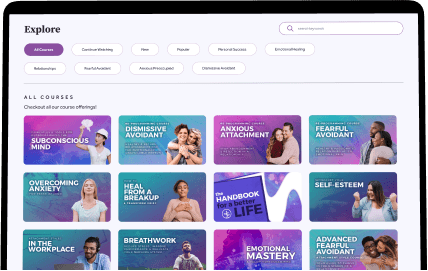
Ready to transform your attachment patterns? The Emotional Mastery course gives you neuroplasticity techniques to reprogram your nervous system to respond to quality time, emotional intimacy, and connection. Learn to recognize your triggers, understand the wounds driving them, and create new patterns that serve you.
Share this Article

Let's stay connected!
Get personal development tips, recommendations, and exciting news every week.
Become a Member
An All-Access Pass gives you even more savings as well as all the relationship and emotional support you need for life.
Top Articles
12 JUN 2025
Attachment Wounds: 6 Types, Their Effects & How to Heal
Struggling with trust or fear of abandonment? Learn the 6 types of attachment wounds, how they affect relationships, and steps you can take to heal.
27 OCT 2023
Best Strategies for Intimacy & Sex with Dismissive Avoidants
Learn about dismissive avoidants, sex and how you can bring your relationship closer together in this extensive guide.
13 JUN 2024
Can Avoidants Fall in Love? Signs Your Avoidant Partner Loves You
Are you dating an avoidant but don’t if they love you? Here are the clear-cut signs that an avoidant loves you.