










Understanding the Patterns of an Insecure Attachment Style So You Can Change
If you've noticed the same relationship patterns playing out over and over, the same fears, the same conflicts, the same walls going up at the wrong times, you're not imagining things. These patterns are real, and they make sense. Most importantly, they're not your fault. They're connected to your attachment style, specifically an insecure attachment style, that developed before you could even talk.
Through my own healing journey from Fearful Avoidant attachment to earning security, I've discovered something important that often gets missed: your attachment style doesn’t have to be a life sentence. It's a pattern your nervous system learned early on to keep you safe, and patterns can change.
Table of Contents
- What is Insecure Attachment?
- The Three Insecure Attachment Styles
- How Insecure Attachment Develops
- Core Wounds Behind Insecure Attachment
- Signs of Insecure Attachment in Your Life
- How Insecure Attachment Shows Up in Relationships
- Can Insecure Attachment Change?
What is Insecure Attachment?
Insecure attachment is a pattern of relating to others that develops when your emotional needs weren't consistently met during childhood. It’s not based on whether your parents loved you or tried their best. Insecure attachment formed when your nervous system learned that the connection wasn’t safe, predictable, and available when you needed it.
Your attachment bond, that first relationship with your primary caregiver, taught your brain what to expect from other people. If that bond felt secure, you likely developed what we call Secure Attachment. If it felt unpredictable, overwhelming, or unavailable in some way, your nervous system adapted by developing an insecure attachment style.
What's happening beneath these patterns is something attachment researchers call your internal working model. Think of it as the blueprint your brain created about relationships based on your earliest experiences. This blueprint operates mostly outside your conscious awareness, shaping how you interpret other people's behavior, how you respond to closeness, and what feels safe or dangerous in connection.
The three insecure attachment styles, Fearful Avoidant, Anxious Preoccupied, and Dismissive Avoidant, each represent different survival strategies your nervous system developed to handle that early uncertainty.
| Discover Your Attachment Style |
|---|
| Understanding your attachment style is the first step toward transformation. Take our free Attachment Style Quiz to identify your style and receive personalized insights for your journey. |
The Three Insecure Attachment Styles
Fearful Avoidant Attachment
I know this style intimately because I lived it for years. Fearful Avoidant attachment (sometimes called disorganized attachment in childhood) creates what I can only describe as an impossible bind: You desperately want connection, AND you're terrified of it in equal measure.
What makes Fearful Avoidant attachment so confusing is that your nervous system learned two contradictory things at once. The person who was supposed to be your safe haven was also a source of fear or pain. Maybe they were loving one moment and frightening the next. Maybe they meant well but were overwhelmed by their own trauma. Whatever the specifics, your brain concluded: "People who love me hurt me."
This creates that signature hot-and-cold pattern. When someone gets close, you feel drawn to them, until your nervous system registers danger and you suddenly need to run. When they pull back, you panic about being abandoned. It's exhausting because neither closeness nor distance feels truly safe.
The core wounds driving Fearful Avoidant patterns often include "I will be betrayed," "I am unsafe," "I am unworthy," and "I am trapped." These wounds go beyond thoughts that pop into your head. They're felt senses in your body, conclusions your two-year-old self drew about how the world works.
Anxious Preoccupied Attachment
Anxious Preoccupied attachment develops when love is felt inconsistently. Sometimes your caregiver was there, sometimes they weren't, and you never quite knew which version you'd get. Your nervous system learned to stay hypervigilant, constantly scanning for signs you might be abandoned.
If you're Anxiously Preoccupied, you likely crave closeness but struggle to feel secure even when you have it. You might need constant reassurance, overanalyze texts, or feel your mood entirely dependent on how your partner is treating you in any given moment. Distance from someone you love can feel genuinely threatening, like your nervous system is sounding alarm bells that something terrible is about to happen.
The primary wound here is often "I will be abandoned," paired with "I am not good enough." You learned early on that you had to work for love, perform for it, be hyper-attuned to others' needs to keep them from leaving.
Dismissive Avoidant Attachment
Dismissive Avoidant attachment forms when emotional needs were consistently unmet or rejected. If expressing emotions led to being dismissed, ignored, or criticized, your nervous system learned a brutal lesson: "My emotional self is not welcome here."
People with Dismissive-Avoidant patterns often appear highly independent, self-sufficient, and sometimes even uncomfortable with people who express emotions openly. You aren’t trying to be cold, and you don’t lack feeling. It's a deeply ingrained protective strategy. Vulnerability feels dangerous because it was dangerous when you were small.
The core wounds driving this pattern include "I am defective" (specifically around emotional needs), "I am trapped/engulfed" when others want closeness, and "I am not good enough" in a performance-based way. Love had to be earned through achievement or being low-maintenance.
| Attachment Style | Core Pattern | Primary Fear |
|---|---|---|
| Fearful Avoidant | Hot and cold with connection | "Love leads to pain and betrayal" |
| Anxious Preoccupied | Hypervigilance about abandonment | "I will be left alone" |
| Dismissive Avoidant | Withdrawal from emotional intimacy | "Vulnerability leads to rejection" |
How Insecure Attachment Develops
Insecure attachment styles form as an infant, primarily through your relationship with your primary caregiver. This is the window when your nervous system is learning its most fundamental lessons about safety, connection, and what to expect from other people.
For Fearful Avoidant attachment to develop, something frightening had to happen in your primary attachment relationship. This could be overt trauma, such as abuse, violence, or chaotic behavior. Or it could be more subtle: a parent who was loving but unpredictable, someone dealing with their own unresolved trauma who couldn't consistently regulate themselves around you, or situations where the person who was supposed to comfort you was also the source of distress.
Anxious Preoccupied patterns emerge when caregiving was inconsistent. Your parent or caregiver might have been present and attuned at times but distracted, overwhelmed, or unavailable at others. You learned that love exists, but can't be counted on. So your nervous system stayed in a constant state of monitoring: "Are they still there? Do they still love me? What do I need to do to keep them close?"
Dismissive Avoidant attachment typically develops when emotional expression was met with dismissal, minimization, or even punishment. Maybe you cried and were told to toughen up. Maybe your parents were physically present but emotionally unavailable. Maybe you learned that the safest way to get love was to not need anything from anyone.
What's crucial to understand is that none of this was about you. As a child, you were not too much, too sensitive, or not resilient enough. Your nervous system responded the it should have to the environment you were in. The strategy that kept you safe as a two-year-old just doesn't serve you the same way now.
Core Wounds Behind Insecure Attachment
What I've seen again and again in my work with thousands of students is that surface behaviors, the jealousy, the pulling away, the emotional shutdown, all trace back to core wounds. These are the deep-seated beliefs your young self formed about yourself and others based on those early experiences.
For Fearful Avoidants, the wound "I will be betrayed" creates a constant internal conflict. You want love, but your body remembers that closeness led to pain. The wound "I am unsafe" means your nervous system treats intimacy as a threat, even when the person in front of you is trustworthy. And "I am unworthy” is not a performance issue but an identity-level belief that something about who you are at your core doesn't deserve good things.
Anxious Preoccupied wounds center on "I will be abandoned." This isn't just a normal worry that a partner will leave. It's a nervous system state where distance equals danger. The wound "I am not good enough" drives you to over-give, people-please, and constantly try to earn love rather than simply receive it. Many also carry "I will be alone forever,” an existential fear that goes deeper than any single relationship.
Dismissive Avoidant core wounds include "I am defective," specifically around your emotional self. This wound creates deep shame about having needs at all. "I am trapped/engulfed," explains why closeness can feel suffocating rather than comforting. Your autonomy felt threatened in childhood when someone got too close. And "I am not good enough" shows up differently here: Love was conditional on performance, achievement, or being low-maintenance.
Understanding these wounds changes everything. When you recognize that your patterns aren't character flaws but protective responses to real pain, you can start addressing the root cause rather than just managing symptoms.
Signs of Insecure Attachment Style in Your Life
Insecure attachment affects your romantic relationships, but it goes beyond that. It shapes how you relate to friends, family, coworkers, and even yourself.
In relationships, you might notice a few telltale patterns. If you're Fearful Avoidant, you probably swing between pulling people close and pushing them away, sometimes in the same day. You might sabotage relationships right when they start feeling good, create conflict to create distance, or go numb when someone expresses deep feelings for you.
If you lean Anxious Preoccupied, you likely overanalyze interactions constantly. A delayed text response feels catastrophic. You might change plans, preferences, even parts of your personality to keep someone close. You feel your mood rise and fall based entirely on how you perceive someone treating you.
With Dismissive Avoidant patterns, you probably value independence above most things. You might feel uncomfortable when people get emotionally intense, prefer being alone when stressed, or find yourself criticizing partners for being "too needy" when they're just...having feelings.
Beyond relationships, insecure attachment affects your emotional regulation. Fearful Avoidants often swing between emotional overwhelm and complete shutdown. Anxious types might feel flooded by emotions, unable to calm down when triggered. Dismissive Avoidants frequently disconnect from emotions entirely, intellectualizing or minimizing what they're feeling.
Your self-perception shifts, too. Insecure attachment typically creates what researchers call a negative self-concept or other-concept. You might believe you're fundamentally flawed, unlovable, or too much. Or you might trust yourself but assume others will eventually hurt or leave you. Sometimes both.
The good news? These patterns became so ingrained because your brain was trying to protect you. And brains that learned one pattern can learn a new one.
How Insecure Attachment Shows Up in Relationships
Let me walk you through what insecure attachment actually looks like when you're dating someone or in a committed relationship.
For Fearful Avoidants, there's that signature push-pull dynamic. Things are going well, you're feeling connected, maybe even falling in love. Then suddenly your chest gets tight. You notice flaws you didn't see before. You pick a fight or withdraw emotionally, creating the distance your nervous system thinks it needs to feel safe. But once that person steps back, panic sets in. Now you're terrified they'll leave. So you reach out, apologize, reconnect, and the cycle starts again.
What makes this so painful is that you're genuinely feeling both sides. The desire for closeness is real. The terror of it is also real. Neither one is manipulation, even though it can look that way from the outside.
If you're Anxiously Preoccupied, you might find yourself in constant need of reassurance. You check your phone repeatedly. You interpret neutral behavior as rejection. You might give up your own plans, preferences, or boundaries to keep your partner happy. When conflict happens, you panic, apologize profusely, and try to fix things immediately because any disconnection feels unbearable.
The hard part is that even when you're with someone who's consistent and loving, your nervous system doesn't fully trust it. You're always waiting for the other shoe to drop.
Dismissive Avoidants often appear "fine" on the surface. You might be in a relationship for years, yet keep people emotionally at arm's length. You probably hate discussing "the relationship," find emotional conversations draining, and feel relief when your partner goes out of town. If someone expresses that they need more from you emotionally, you might genuinely not understand what they want or feel resentful that they're asking.
What I want you to know, regardless of which pattern resonates, is that these aren't personality traits you're stuck with. They're adaptations your nervous system made when you were too young to consciously choose differently.
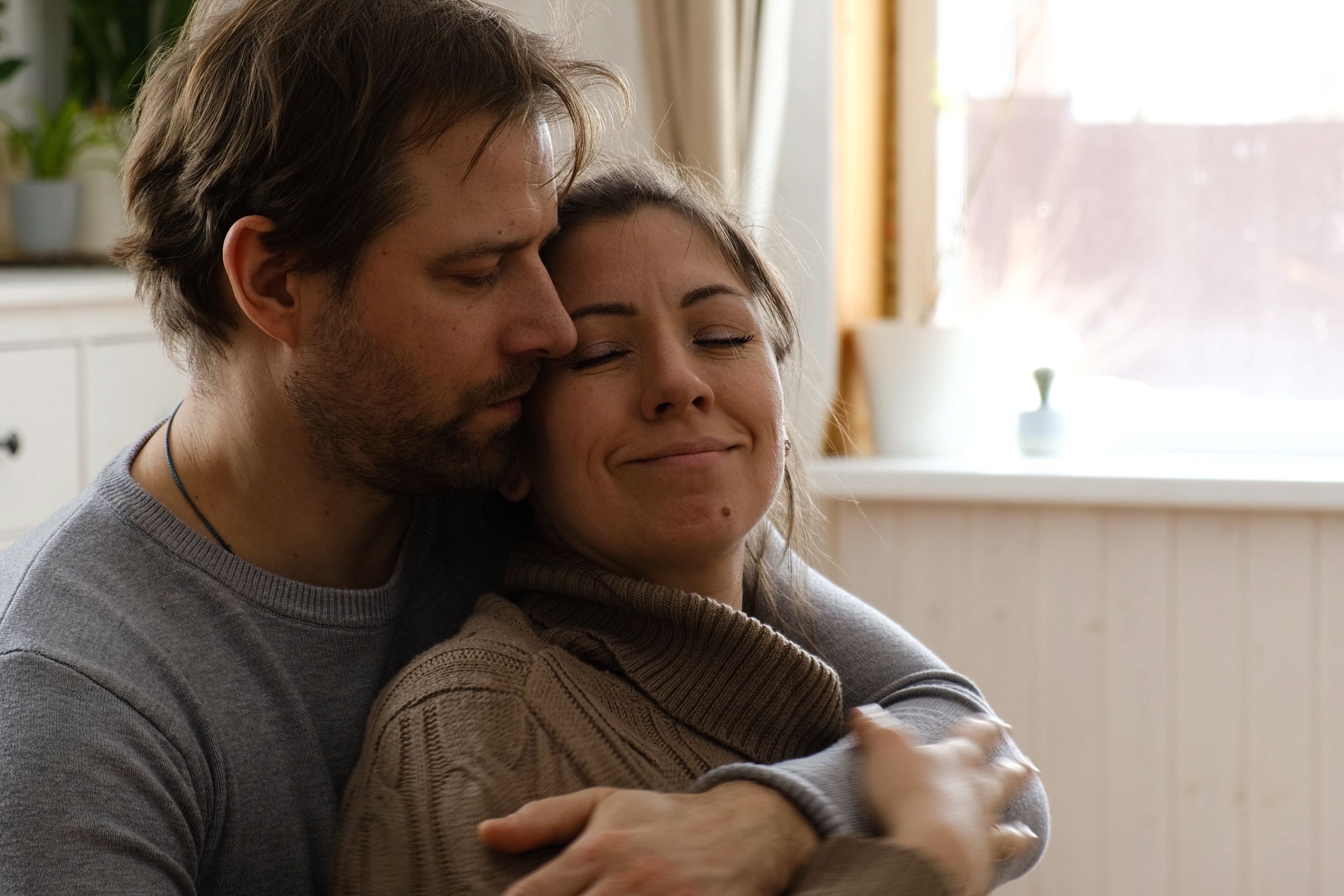
Can Insecure Attachment Change?
Yes. Absolutely yes. And not through "fake it ‘til you make it" or white-knuckling yourself into behaving differently.
Your attachment style can change through a process called neuroplasticity, your brain's ability to form new neural pathways throughout life. The same mechanism that created your insecure attachment patterns in the first place can create new, more secure ones.
What I learned through my own journey and what I've seen with thousands of students is that transformation happens through addressing the root: those core wounds. When you can identify "I will be betrayed" as a wound rather than a truth, you create space for new experiences to reshape that belief. When you recognize "I am unsafe" as your nervous system's interpretation of old data rather than current reality, you can start building evidence for a different story.
This process is what we call earning Secure Attachment. It's not about never feeling triggered or never having moments where old patterns surface. It's about developing the capacity to recognize what's happening, regulate your nervous system, and choose a different response.
Some key elements that support this transformation:
- Awareness: You can't change patterns you don't recognize. Understanding your attachment style, your specific core wounds, and how they show up helps you catch yourself in the moment.
- Working with your nervous system, not just your thoughts: Your attachment patterns live in your body, not just your mind. Somatic practices, nervous system regulation, and learning to stay present with uncomfortable sensations all create the foundation for change.
- Corrective experiences in relationships: This could be therapy, a relationship with someone securely attached, or even reparenting yourself. Your brain needs new data that contradicts the old stories. It needs to see evidence that vulnerability doesn't always lead to pain, that people can be consistent, and that you can handle both closeness and space.
The timeline varies for everyone, but research suggests that with consistent work, significant shifts can happen within months to a couple of years. Different styles tend to move at different paces. Anxious attachment patterns often shift behaviorally first, then emotionally. Dismissive patterns might involve emotional awareness coming online before behavioral changes. The Fearful Avoidant journey is the most complex because you're working with both anxious and avoidant wounds simultaneously.
What gives me hope, both from my own experience and from watching this transformation in others, is that your brain is always learning. It learned those early patterns. It can learn new ones.
If you want to go deeper into this work, I created the Principles & Tools for Reprogramming the Subconscious Mind course specifically to help you work with the core wounds and nervous system patterns underlying insecure attachment. It walks you through the specific techniques I used to transform my own attachment style, including subconscious reprogramming exercises and nervous system regulation practices.
Moving Forward
Here's what I want you to take away from this: your insecure attachment style makes complete sense given what you experienced. The patterns that frustrate you now once kept you safe. They're not failures, and they're not who you are at your core.
Understanding that you developed Fearful Avoidant, Anxious Preoccupied, or Dismissive Avoidant attachment doesn't mean you're broken. It means you survived. And survival strategies that worked when you were two don't have to run your life at 25, 35, or 55.
The first step isn't changing your behavior or forcing yourself to be different. It's recognition. Notice when old patterns show up. Name them. "Oh, this is my 'I will be betrayed' wound talking. This is my nervous system perceiving danger that isn't actually there."
From there, you can start building new neural pathways, one moment of regulation at a time, one new choice at a time. Your insecure attachment style isn't permanent; it's changeable. You deserve to experience what a secure connection actually feels like.
Share this Article

Let's stay connected!
Get personal development tips, recommendations, and exciting news every week.
Become a Member
An All-Access Pass gives you even more savings as well as all the relationship and emotional support you need for life.

Top Articles
12 JUN 2025
Attachment Wounds: 6 Types, Their Effects & How to Heal
Struggling with trust or fear of abandonment? Learn the 6 types of attachment wounds, how they affect relationships, and steps you can take to heal.
27 OCT 2023
Best Strategies for Intimacy & Sex with Dismissive Avoidants
Learn about dismissive avoidants, sex and how you can bring your relationship closer together in this extensive guide.
13 JUN 2024
Can Avoidants Fall in Love? Signs Your Avoidant Partner Loves You
Are you dating an avoidant but don’t if they love you? Here are the clear-cut signs that an avoidant loves you.